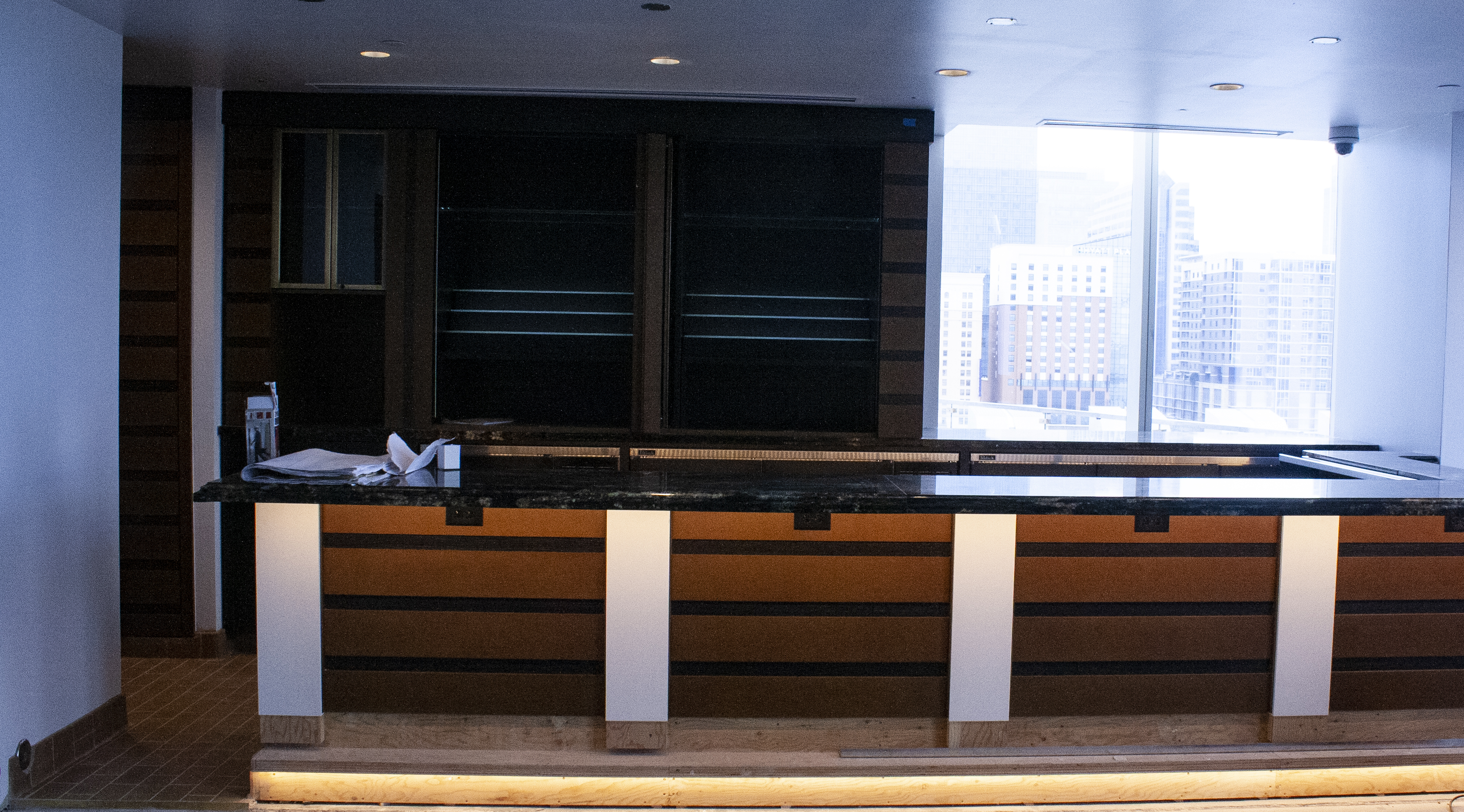
Solid vs. veneer, white oak vs. walnut, lacquer vs. conversion varnish — a plain-language guide to specifying cabinetry that still looks good in five years.
Two cabinets can look identical on day one and tell completely different stories on day 1,500. The difference is almost always in the material and finish choices made before anyone picked up a tool. Here's how we think through them.
Solid wood vs. veneer — and why veneer isn't a downgrade
There's a myth that solid wood is always the premium choice. It isn't. Solid wood moves, and the bigger the panel, the more it moves — which is exactly why a wide door or a tall side panel is usually a veneer over a stable core. A good veneer also lets you book-match grain across a whole wall in a way solid lumber never could. We use solid stock where it earns its keep: face frames, door rails and stiles, edges, and anything that takes a knock.
Picking a species
- White oak — hard, durable, open grain, and takes stain beautifully. The current workhorse for both modern and traditional looks.
- Walnut — rich color straight off the saw, no stain needed. Softer than oak, and priced like the premium it is.
- Maple — tight, even grain that paints flawlessly and machines cleanly. The default when the finish is a solid color.
- MDF — not wood, but the right call for painted flat panels: dead stable, no grain telegraphing through the paint, no movement.
Finishes, ranked by how hard the room is
Match the finish to the abuse, not the other way around. For a restaurant or hotel, that means conversion varnish or a 2K finish — chemical-cure coatings that shrug off cleaning products, water, and constant handling. For a home, pre-catalyzed lacquer is durable and easy to repair. Oil and hardwax-oil finishes feel wonderful and show off grain, but they ask for periodic upkeep. Water-based finishes keep VOCs low and clarity high, which matters on pale woods you don't want to yellow.
Sheen and color age differently
Sheen is a maintenance decision as much as an aesthetic one. Matte and satin hide fine scratches and fingerprints; high gloss shows every one of them. Color matters too — very dark stains and deep paints look striking and reveal every speck of dust, while a finish near a sunny window will shift over the years as UV does its slow work. None of these are wrong; they're just trade-offs worth making on purpose.
- High-traffic or commercial? Conversion varnish, satin sheen.
- Pale wood you want to stay pale? Water-based clear.
- Want warmth and don't mind upkeep? Hardwax oil.
- Painting it? Maple or MDF, and a catalyzed finish.
There's no single best answer here — there's the right answer for your room, your budget, and how the space gets used. That conversation is where a project should start.
Got a project in mind?
We design, build, finish, and install custom cabinetry and millwork. Tell us what you're working on.
Get a Quote